 Spanish
  English
  French
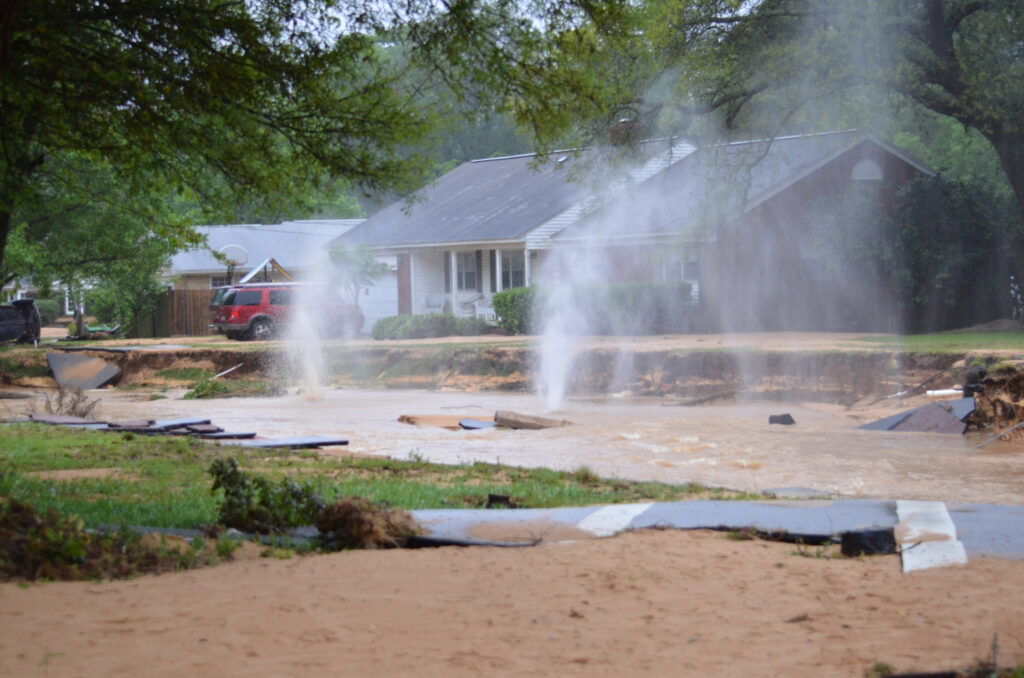
As natural gas utilities move into storm season, operating conditions can shift quickly. Severe weather, flooding, and infrastructure damage can turn routine operations into emergency response scenarios. In these moments, maintaining visibility into system conditions, especially pressure and service status, is critical.
Advanced Metering Infrastructure (AMI) has evolved beyond meter reading. In modern natural gas systems, AMI plays a key role in monitoring performance, identifying abnormal conditions, and supporting safe, coordinated responses during disruptions. Utilities today are increasingly evaluated not just on normal operations, but on how effectively they respond when conditions deteriorate.
How Natural Gas AMI Networks Support Emergency Response
During service interruptions caused by pressure loss, infrastructure damage, or emergency shutdowns, utilities must quickly determine:
- Where disruptions have occurred
- How widespread the impact is
- Whether service has been safely restored
AMI networks support these efforts by providing: 
- Immediate notification of pressure loss or service interruption
- Real-time visibility across the distribution system
- Remote confirmation of service restoration
- Faster identification of affected service areas
These capabilities reduce reliance on manual system checks and allow utilities to respond faster and more safely when infrastructure is under stress.
Communication Redundancy and Backup Power Strategies
Resiliency in natural gas systems depends on communication infrastructure that continues to perform during outages. When power is lost or systems are compromised, utilities must still maintain operational awareness.
Key strategies include:
- Backup power for base stations, gateways, and monitoring devices
- Redundant communication paths to prevent single points of failure
- Dedicated utility networks for more reliable performance during emergencies
- Automated alerts for abnormal pressure conditions and service disruptions
These measures ensure that critical data continues to reach operations teams when it matters most.
Designing Systems That Maintain Visibility During Disruptions
Operational visibility is foundational to safe natural gas system management. Without accurate system data, utilities are forced to rely on delayed or incomplete information, conditions that can increase risk.
Modern AMI infrastructure supports:
- Continuous monitoring of system performance
- Early detection of abnormal pressure conditions
- Faster identification of service interruptions
- Improved coordination between operations centers and field crews
Maintaining visibility during disruptions is not just an operational advantage, it is a safety requirement.
Lessons from Recent Storm and Emergency Events
 Recent severe weather events across the U.S. have reinforced a consistent lesson: systems designed for normal conditions may not perform reliably during emergencies.
Utilities that maintain strong performance during disruptions typically prioritize:
- Redundant and resilient communication infrastructure
- Monitoring systems that operate during power outages
- Real-time visibility into pressure and service conditions
- Clear emergency response procedures supported by reliable data
- Ongoing training and preparedness
Resiliency is no longer optional, it is a core requirement for modern natural gas operations.
Preparing Natural Gas Infrastructure for the Next Disruption
Severe weather and system stress are becoming more frequent and complex. Preparing for these events requires infrastructure that performs reliably under pressure, not just during routine operations.
Utilities are taking a proactive approach by:
- Strengthening communication infrastructure
- Expanding system monitoring capabilities
- Building redundancy into network design
- Training personnel for emergency response
These efforts support safer operations, faster recovery, and stronger overall system reliability.
How ECCO Supports Resilient AMI Infrastructure
As AMI systems become more integrated into natural gas operations, utilities need partners who understand both the technology and the realities of the field.
ECCO supports utilities by helping them:
- Evaluate communication and monitoring infrastructure readiness
- Design resilient AMI network strategies
- Integrate pressure monitoring and communication technologies
- Strengthen system performance during outages and emergencies
The goal is not just to deploy technology but to build systems that continue to perform when conditions are at their most challenging.
What This Means for Natural Gas Utilities
Reliable communication and system visibility are essential to safety, service continuity, and emergency response.
As utilities prepare for increasing disruptions, the performance of AMI networks during outages will play a defining role in how effectively systems respond, recover, and protect the communities they serve.
Municipalities and utilities evaluating their AMI infrastructure can benefit from a technical conversation about what’s working today—and what needs to evolve. Connecting with ECCO experts can help identify the most effective path forward for resilient operations.
